
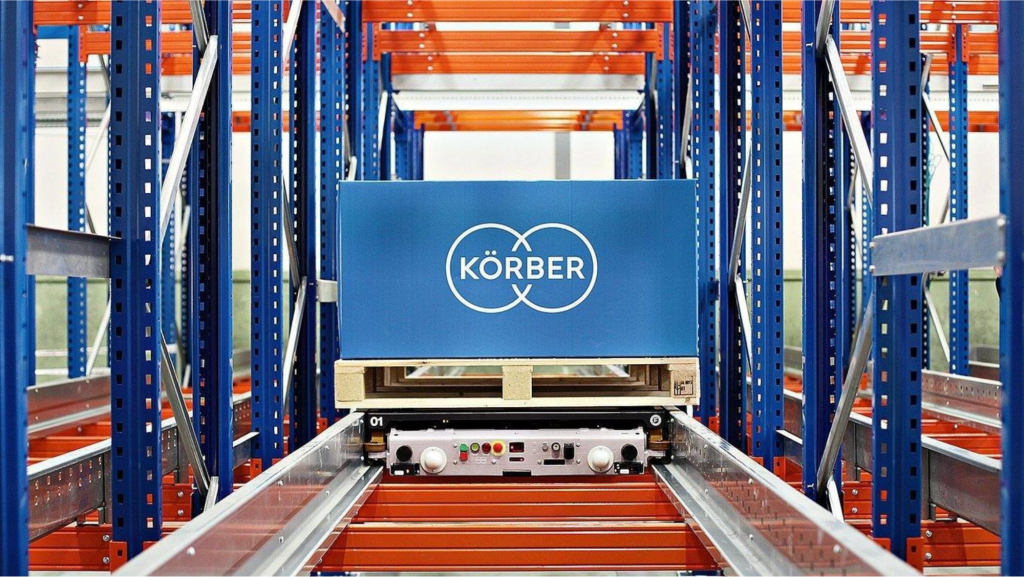
As trade policies and global relations continue to reshape the movement of goods, supply chains are adapting faster than ever. International trade has become increasingly unpredictable, with shifting tariffs, local regulations, and regionalization strategies forcing businesses to rethink how they source, store, and distribute products. Amid this volatility, warehouse automation has quietly become one of the strongest enablers of resilience transforming warehouses from static cost centers into agile, adaptive systems that can absorb the shocks of global trade.
The rise in protectionist policies and tariff measures across major economies has disrupted traditional trade flows. Manufacturers, logistics providers, and 3PLs have been compelled to diversify, shifting sourcing bases, redesigning routes, and expanding regional warehousing capacity. These changes have put enormous pressure on warehouse operations to handle fluctuating volumes, varying product mixes, and growing compliance demands.
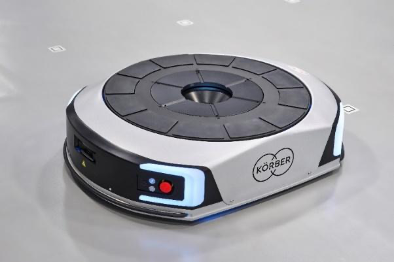
At Körber, we see automation as the strategic buffer in this environment. Beyond efficiency, it brings stability, scalability, and flexibility to logistics operations. Systems such as autonomous mobile robots (AMRs), automated storage and retrieval systems (ASRS), and robotic picking solutions help maintain productivity even when external conditions change. They ensure consistent throughput, accuracy, and cost predictability independent of labor challenges or policy uncertainty.
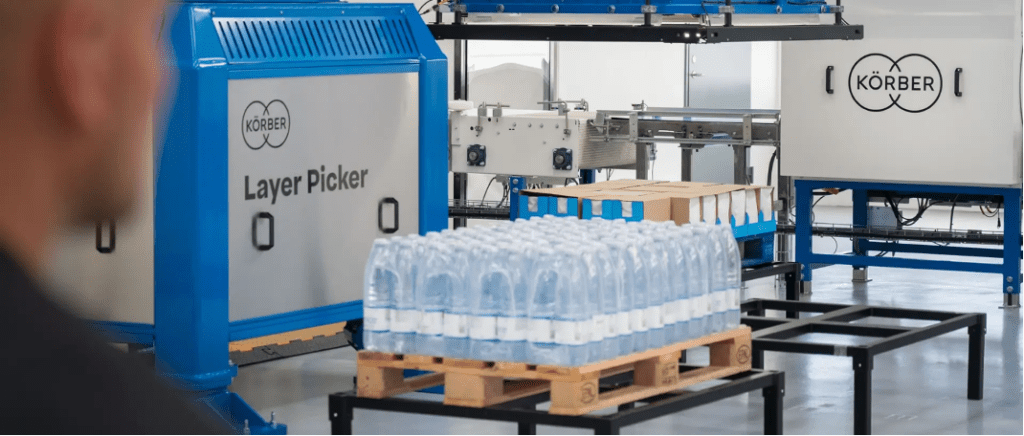
A major advantage of automation is its adaptability. As sourcing networks evolve, automated systems can be reprogrammed or reconfigured to handle new product profiles or workflows with minimal downtime. A warehouse managing imports from China today can easily adjust to goods from Vietnam or India tomorrow. For 3PLs operating across multiple markets, this agility is invaluable, it prevents supplier or tariff changes from becoming operational bottlenecks.
The growing shift toward nearshoring and regional distribution is further accelerating automation adoption. Many global brands are setting up localized fulfillment centers to reduce dependence on long-haul imports and serve regional markets faster. While operating closer to customers often brings higher labor costs, automation offsets this by improving throughput and space utilization, enabling efficient operations even in high-cost regions.
Southeast Asia sits at the center of this global trade rebalancing. As manufacturers diversify from traditional production hubs, countries such as Vietnam, Thailand, and Malaysia have become preferred alternatives, offering cost advantages, proximity to major markets, and expanding logistics infrastructure. Many companies are expanding production here to minimize tariff exposure, while others use the region as a manufacturing and distribution bridge between Asia, the Middle East, and Oceania. The region is fast evolving into a smart logistics corridor linking Asia’s trade ecosystems.
This shift has created significant opportunities for 3PLs and warehouse operators. Logistics networks are being upgraded to support cross-border trade and multi-country distribution within ASEAN. Automation is being adopted to handle diverse product categories, faster delivery expectations, and growing compliance needs. Warehouses in Vietnam and Thailand are now being designed with automation-ready infrastructure, allowing rapid scaling as demand increases.
The 2025 U.S.–China tariff escalation, for instance, raised costs for some imports but also accelerated diversification with Southeast Asia emerging as a major beneficiary. Regional logistics providers have seized the moment by deploying automation to manage higher trade volumes and create adaptable infrastructure supporting multiple clients and product lines. In this sense, automation is no longer just a productivity tool but a foundation for competitiveness in a regionalized trade environment.
Automation also addresses space and labor challenges that accompany this growth. Many companies, responding to trade uncertainty, are holding higher safety stocks, leading to storage constraints. ASRS systems maximize capacity, often doubling storage within the same footprint, a vital advantage in dense industrial hubs like Singapore or Jakarta. At the same time, automation reduces reliance on unpredictable labor markets, ensuring continuity even when workforce availability fluctuates.
Beyond efficiency, automation has become a key compliance ally. In today’s regulatory climate, every cross-border shipment requires transparency, from country of origin to customs classification. Automated systems ensure error-free data capture, reducing the risk of costly documentation lapses or customs delays. This is particularly critical for exporters operating across multiple trade zones, where one incorrect declaration can trigger penalties or shipment holds.
While automation projects can face hurdles such as higher initial costs or occasional supply-chain delays the long-term benefits far outweigh the risks. Regions investing in automation are already showing faster recovery and higher efficiency gains after trade disruptions. The growing adoption of automation across ASEAN reflects this momentum.
Ultimately, in a world where tariffs, trade barriers, and geopolitical shifts have become the norm, warehouse automation offers control. It helps businesses transform uncertainty into opportunity enabling them to pivot quickly, maintain cost stability, and meet customer expectations without interruption.
Trade policies will continue to evolve, but one truth endures: warehouses that invest in automation will move faster, operate smarter, and stay resilient, no matter how turbulent the global trade winds become.
Facing tariff volatility or regional trade shifts?
Discover how Körber’s automation solutions can help you minimize tariff exposure, strengthen supply chain flexibility, and future-proof your operations.
Connect with our experts at info.sc.sgp@koerber-supplychain.com or visit www.koerber-supplychain.com to explore solutions built for a changing trade landscape.
About the author

Louis Kok
Head of Marketing & Sales – Southeast Asia · Körber Supply Chain SG Pte. Ltd