

In 2025, global trade stands at a turning point. After years of liberalized markets and just-in-time supply chains, companies and governments are grappling with a new reality defined by volatility, tariffs, and rising compliance demands. For senior supply-chain executives, the priority has shifted from pure cost optimization to resilience, regulatory awareness, and strategic geography.
This article explores the evolving trade landscape, including global versus local trade dynamics, near-shoring and re-shoring strategies, and the growing weight of corporate compliance.
1. The Current Trade and Tariff Landscape
1.1 Global Picture
World merchandise trade volumes in 2025 are largely stagnant. After moderate growth in 2024, global trade is now hovering around zero, with some forecasts suggesting a slight rebound driven by AI-related goods and inventory rebuilds. The era of frictionless global expansion appears to be ending, replaced by structural constraints and higher costs.
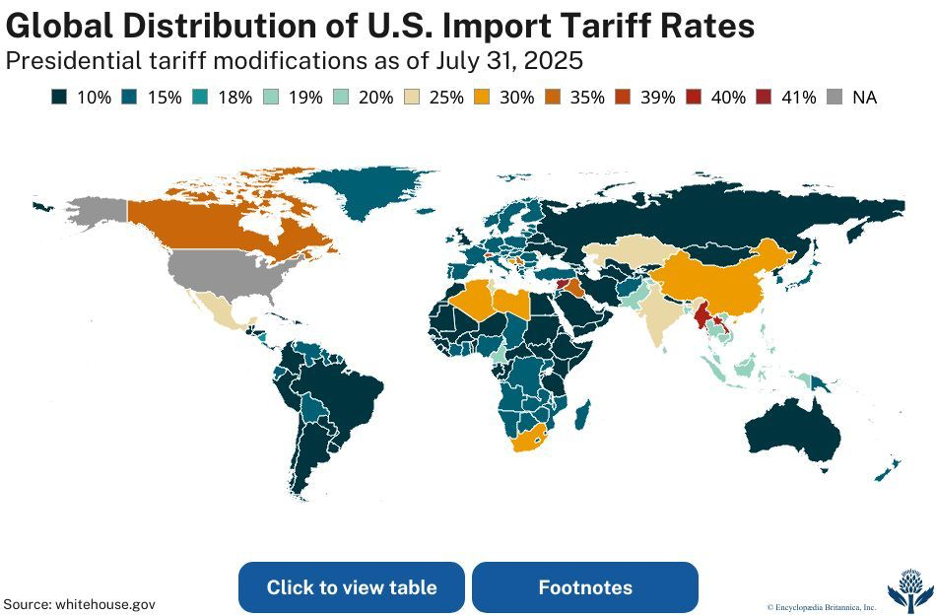
1.2 Tariffs and Policy Volatility
Tariffs have evolved from temporary protectionist tools into strategic economic levers. The United States, for instance, has implemented new baseline tariffs and reciprocal measures against multiple trade partners, creating ripple effects across industries.
Trade policy uncertainty has become a measurable drag on growth. Despite forecasts of moderate expansion, analysts estimate tariffs and policy shifts could reduce overall global trade growth by more than a percentage point annually. For exporters, the financial burden of regulatory compliance and customs complexity continues to mount.
1.3 International vs. Local Trade
Cross-border trade faces increasing headwinds: complex customs procedures, volatile tariffs, and changing preferential trade arrangements. Emerging markets are particularly vulnerable as they rely heavily on exports.
By contrast, regionalized trade—producing and sourcing closer to consumption markets—is gaining favor. It offers shorter lead times, reduced tariff exposure, and greater agility. For many companies, the strategic choice is shifting from global cost efficiency to regional resilience.
1.4 Implications for Supply Chain and Air Cargo
For logistics, air freight, and network development leaders, these shifts are significant:
- Rising tariffs alter landed costs and margins.
- Near-shoring and re-shoring demand network redesign and flexible infrastructure.
- Compliance failures carry real financial and reputational risks.
- Variable costs—from duties to logistics bottlenecks—are climbing, demanding closer cost control and strategic procurement alignment.
2. Near-Shoring and Re-Shoring: The New Strategic Playbook
2.1 Understanding the Shift
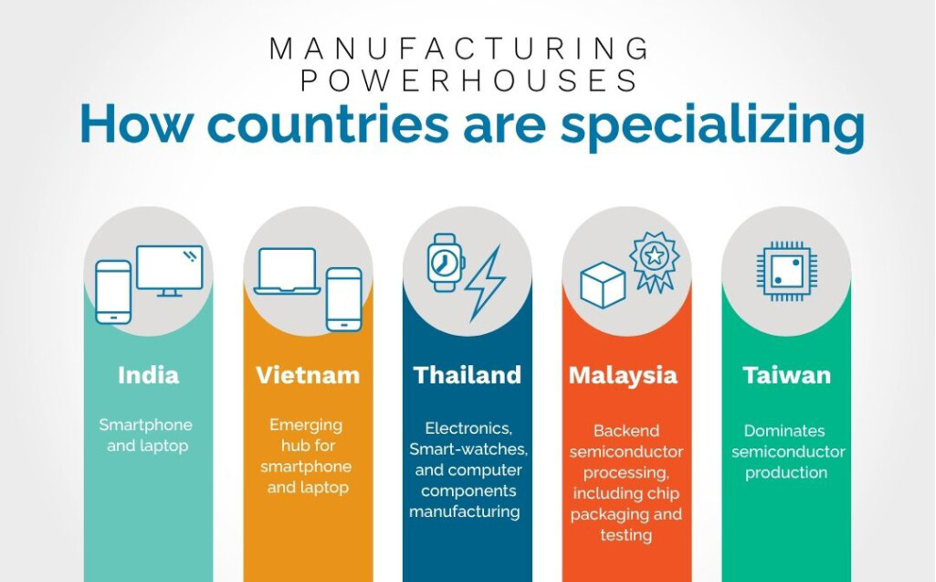
Near-shoring means relocating production closer to end markets—such as U.S. firms moving operations to Mexico or Southeast Asia.
Re-shoring involves bringing manufacturing back home, reversing previous offshoring decisions.
Key drivers include tariff escalation, geopolitical risk, pandemic aftershocks, supply-chain fragility, and sustainability goals. Rising labor costs in traditional manufacturing hubs, coupled with political uncertainty, have made local or regional production more attractive.
2.2 Evidence of Change
Industry research shows that over 90% of retail executives are now pursuing near-shoring or re-shoring initiatives. The 2025 tariff wave affecting more than 90 countries accelerated the move toward regional supply chains. However, success depends on infrastructure readiness, skilled labor, cost competitiveness, and supportive policies.
2.3 Logistics and Air Cargo Implications
As production shifts closer to markets, freight flows are transforming:
- Long-haul intercontinental shipments are giving way to more frequent regional movements.
- New corridors—Mexico–U.S., North Africa–Europe, India–Africa—are gaining importance.
- Air cargo networks must adapt to shorter, higher-frequency routes and flexible capacity models.
- Procurement and supplier strategy must integrate tariff modeling and scenario analysis into planning.
- Variable costs now include tariff exposure, additional logistics handling, and dual-sourcing premiums.
2.4 Emerging Hubs
Latin America and the Middle East are becoming focal points for regional trade. Mexico’s role in North American supply chains is strengthening, while Middle East and African hubs are evolving as bridges between Europe and Asia. These shifts will redefine airport and cargo infrastructure priorities across multiple regions.
3. Compliance and Trade Risk Management
3.1 Compliance as a Business Imperative
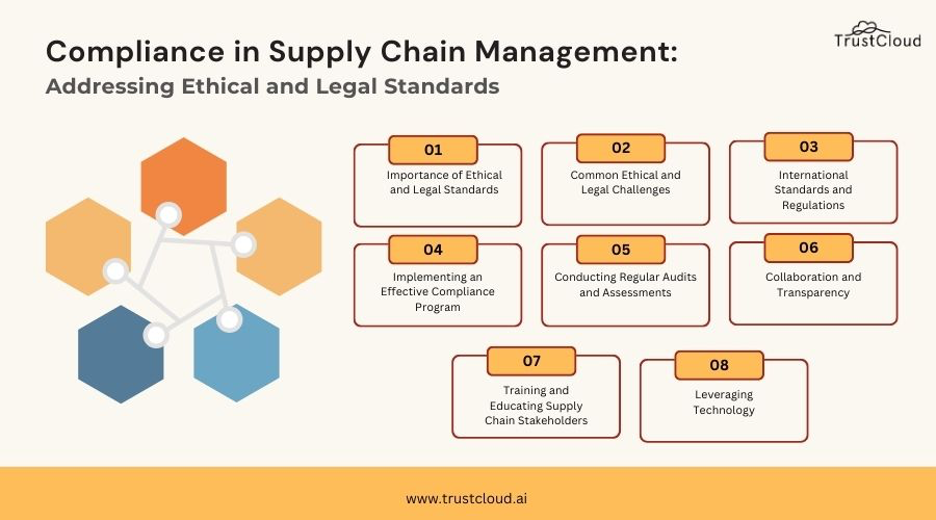
Tariffs are only one dimension of the broader compliance challenge. Companies face heightened scrutiny in areas such as:
- Rules of Origin: Misinterpretation can lead to heavy fines or disqualification from preferential duties.
- Customs Valuation: Disputes over product classification (part vs. finished good) affect tariff rates.
- Transshipment Risks: Some firms rerouting through lower-tariff countries face penalties for origin manipulation.
- Free-Trade Zones (FTZs): Increasingly used to defer or reduce duty exposure.
3.2 Embedding Compliance in Strategy
To manage risk, leading firms are integrating compliance into every stage of their supply-chain design:
- Establish end-to-end visibility of shipments, routes, and duty exposure.
- Use scenario modeling to anticipate tariff changes and logistics delays.
- Conduct regular supplier audits to ensure upstream compliance.
- Integrate tariff modeling into landed-cost analysis and pricing decisions.
- Invest in digital systems and training to ensure teams can monitor and report compliance effectively.
3.3 Recent Examples
The 2025 U.S. tariff hike on Mexican metals and auto parts—doubling some duties—surprised firms that had relocated from Asia to Mexico. Similarly, trade tensions between the U.S. and India demonstrated how geopolitical disputes can abruptly reshape tariff regimes and market access.
4. Strategic Implications for Trade and Supply Chains
4.1 Rethinking Trade Geography
Three sourcing models are emerging:
- Global sourcing remains vital but comes with higher risk premiums.
- Regionalized sourcing offers tariff stability, faster turnaround, and greater resilience.
- Hybrid models such as dual-sourcing and “friend-shoring” enable flexibility amid policy shifts.
For air-freight networks, this means focusing on regional corridors—Middle East–Africa, India–Africa, and Latin America–U.S.—rather than only long-haul intercontinental flows.
4.2 Managing Variable Costs
Rising variable costs—fuel, duties, customs delays—demand integrated financial control.
Key actions include:
- Embedding tariff and duty exposure in lane and product cost models.
- Partnering with procurement to mitigate supplier and geographic risk.
- Evaluating near-shoring opportunities where cost and service advantages align.
- Balancing inventory buffers against tariff-avoidance savings.
4.3 Network and Infrastructure Adaptation
Regional sourcing changes the physical flow of goods. Stations, hubs, and airports must adapt to:
- More intra-regional traffic and short-haul operations.
- Higher shipment frequency with smaller lot sizes.
- Greater automation in customs, visibility, and documentation processes.
Facilities that can rapidly adjust to new regulatory requirements will outperform slower competitors.
4.4 Talent and Procurement Priorities
As leadership transitions and growth goals intensify, the next generation of procurement and logistics leaders must demonstrate:
- Strong understanding of trade policy and tariff management.
- Experience managing re-shoring transitions and redesigning networks.
- Data-driven decision-making through advanced systems and analytics.
- Proven ability to align procurement and station performance with broader trade strategies.
5. Key Trends Shaping 2026
5.1 Rise of Regional Trade Blocs
Free-trade agreements are gaining renewed importance as tariff walls rise. Recent deals such as the India–EFTA agreement illustrate how companies aligning supply geography with favorable trade zones can retain competitiveness.
5.2 Fragmentation of Global Value Chains
The global supply chain is evolving into multiple regional ecosystems. Instead of a single integrated network, we are seeing Asia, Europe, the Americas, and MENA each forming semi-autonomous trade clusters. For air-cargo and logistics, this means designing networks that optimize regional flows and interconnectivity.
5.3 Technology and Data Visibility
Digital systems enabling real-time duty modeling, compliance monitoring, and shipment tracking are becoming critical differentiators. Advanced analytics tools support strategic sourcing and reduce the risk of costly tariff surprises.
5.4 Tariff-Driven Cost Inflation
Tariffs act as indirect cost inflation, affecting pricing and profitability. Firms that incorporate tariff modeling into procurement and pricing decisions will manage margins more effectively than those reacting after the fact.
5.5 Sustainability and ESG Alignment
Near-shoring and regional production are not just economic choices—they align with environmental and social goals. Reduced transport emissions, local employment, and shorter lead times contribute to sustainability objectives, strengthening corporate reputation alongside cost efficiency.
6. Action Plan for Supply Chain Leaders
- Update landed-cost models to include tariff and duty scenarios (+10%, +25%, etc.).
- Map supplier origin risks and assess compliance vulnerabilities.
- Evaluate near-shoring potential in key markets like the Middle East, Africa, and South Asia.
- Redesign network flows to accommodate smaller, faster regional movements.
- Strengthen trade compliance systems through training, audits, and automation.
- Align procurement and freight metrics to ensure sourcing strategy supports operational efficiency.
- Track global trade policy developments to anticipate disruptions.
- Balance cost and resilience through diversified sourcing and contingency planning.
- Engage executive leadership with dashboards and data-driven briefings on trade exposure.
Conclusion
As of late 2025, global trade is undergoing structural change. Tariff escalation, geopolitical fragmentation, and the pursuit of resilience are redefining how companies design their supply chains.
For executives in air freight and network development, this transformation presents both risk and opportunity:
- Risks: rising landed costs, supply disruption, and compliance complexity.
- Opportunities: regional growth corridors, enhanced agility, and strategic differentiation through visibility and sustainability.
By embedding tariff modeling, compliance, and near-shoring strategy into business planning, organizations can position themselves to thrive in a fragmented yet more resilient global trade environment.
About the author

Kim Winter
Founder & Group Managing Director · Logistics Executive Group