
By Brett Marshall, Editor-In-Chief, LogiSYM Magazine
I recently had the opportunity to attend a launch event of Singapore’s first solar-powered Pyxis R ferry to WaterB, a leading river cruise operator in Singapore, in an event titled “Our River, Reimagined” at the ArtScience Museum. A highly thought-provoking launch of a ferryboat in view of a recent article I recalled reading about an initiative in the Nordics with similar goals, and I have taken the opportunity to explore this idea further.
Sustainability is more than just a buzzword—it’s a mission that some of the world’s smallest yet most dynamic nations are leading. Countries like Singapore and the Nordics, despite their size, are driving innovative changes in maritime energy, demonstrating that strategic collaboration and visionary policies can set the stage for a net zero future. Their success stories offer valuable insights into how ambitious sustainability goals can be achieved through technological breakthroughs and collective efforts.
Small Nations, Big Ideas
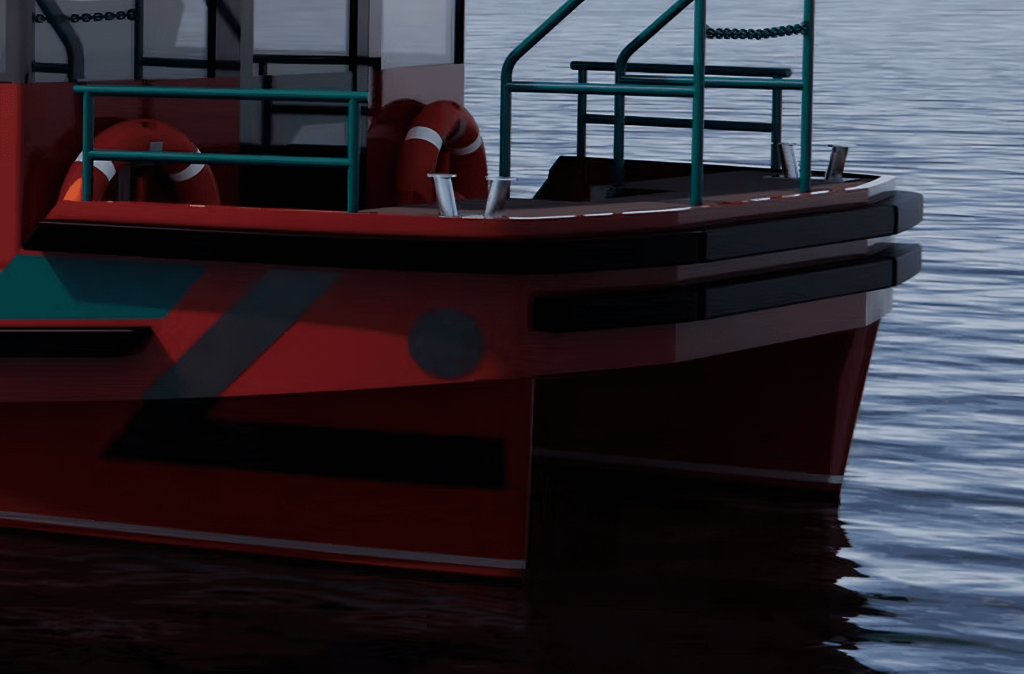
Small nations possess agility that allows them to pivot quickly towards innovation. Singapore, a global maritime hub, exemplifies this through its efforts to revolutionise the industry. As outlined in the press release¹ for the event, the launch of the Pyxis R, Singapore’s first solar-powered river cruise, is a testament to this inventive spirit. Developed by Pyxis, a local maritime electrification startup, this vessel is more than just an electric upgrade—it’s a leap towards net zero emissions.
Singapore’s maritime sector proves that resource constraints can be turned into opportunities. By leveraging strategic partnerships, intensive research, and government support, the nation is reshaping the industry and proving that bold risks can lead to sustainable breakthroughs.
Reimagining Maritime Innovation: The Pyxis R Story
The Pyxis R integrates cutting-edge technology, including Vehicle-to-Grid (V2G) capabilities, which allow surplus solar energy to be fed back into the grid. Powered by an intelligent platform developed by Electra, the vessel employs smart charging, predictive maintenance, and real-time operational tracking. These technological advancements not only enhance efficiency but also extend the lifespan of vessels while ensuring compliance with emission standards.
This innovation extends beyond technology—it embodies Singapore’s commitment to reducing its maritime environmental footprint. WaterB, a leading river cruise operator, plans to deploy ten Pyxis R vessels by 2025, replacing half its existing electric fleet. This move aligns with national sustainability efforts, offering both an eco-friendly alternative and an enhanced cruising experience.
The Power of Multi-Stakeholder Collaboration
One of the core drivers behind these maritime innovations is collaboration. The Pyxis R project is the result of collective efforts between Pyxis Maritime, WaterB, SP Mobility, The Mobility House Asia Pacific, and key government agencies like the Maritime and Port Authority of Singapore (MPA), Public Utilities Board (PUB), and Enterprise Singapore. This cross-industry cooperation has enabled the implementation of V2G technology, which supports Singapore’s push for energy resilience.
This collaborative model is mirrored in the Nordic maritime energy transition detailed in the analysis of a recent Maritime Executive article, “Charting the Course for the Maritime Energy Transition in the Nordics” ². Countries in the region thrive on a culture of cooperation, bringing together government bodies, industrial players, academic institutions, and tech startups. Their coordinated efforts are modernising maritime operations, demonstrating that shared vision and common goals are essential for sustainable innovation.
Lessons from the Nordic Maritime Transition
While Singapore leads maritime innovation in Southeast Asia, the Nordic region serves as another prime example of transformation. Facing harsh maritime conditions, Nordic countries have embraced resilient, renewable energy solutions to drive sustainability. Their approach, combining integrated energy systems with strict environmental regulations, has successfully reduced emissions while improving energy security.
A key takeaway from the Nordic experience is the importance of predictive maintenance and digital fleet management. These measures enhance operational efficiency and ensure steady progress towards net zero despite technological and geopolitical uncertainties. By embracing these strategies, maritime sectors worldwide can achieve similar sustainability milestones.
Pillars of Sustainable Maritime Innovation
The success of initiatives like the Pyxis R and Nordic maritime projects highlights several key factors:
- Visionary Leadership: Bold leadership fosters a culture of experimentation and innovation.
- Multi-Stakeholder Collaboration: Cooperation between government agencies, industry players, and tech developers creates synergies for progress.
- Advanced Technology Integration: Innovations like solar power, V2G, and predictive maintenance redefine maritime operations.
- Supportive Regulatory Frameworks: Policies that encourage sustainable practices and provide incentives help drive innovation.
- Data-Driven Decision-Making: Real-time analytics optimise efficiency and ensure adherence to sustainability benchmarks.
When combined, these elements create a robust foundation for achieving sustainable maritime transformation.
Scaling Innovation for Global Impact
The Pyxis R and Nordic maritime initiatives serve as models for scaling sustainability across the global maritime sector. By expanding similar projects worldwide, the benefits could be profound:
- Accelerating Decarbonisation: Widespread adoption of solar-powered vessels and smart grid technologies can significantly cut emissions.
- Enhancing Energy Resilience: V2G technology can stabilise power grids by converting vessels into mobile energy assets.
- Boosting Economic Competitiveness: Small nations can attract global investment by positioning themselves as leaders in green technology.
- Catalysing Sustainable Tourism: Eco-friendly maritime transport offers quieter, more scenic journeys, appealing to tourists.
- Inspiring Cross-Sector Innovation: The success of these projects can encourage other countries to pursue similar sustainable strategies.
When localised innovations scale up, their cumulative environmental and economic benefits can be transformative. This goes beyond emissions reduction—it’s about redefining how industries, economies, and communities interact with technology to create a sustainable future.
Navigating the Future
As the world intensifies efforts towards net zero, the experiences of smaller nations like Singapore and the Nordics offer valuable lessons. Their success stories highlight that vast resources aren’t necessary for innovation—what’s needed is vision, collaboration, and the willingness to challenge the status quo.
The maritime industry, traditionally linked to heavy environmental costs, is now at the forefront of a sustainable revolution. By embracing cutting-edge technology, refining regulatory frameworks, and fostering multi-stakeholder partnerships, small nations are proving they can lead the charge in global sustainability efforts.
If these pioneering efforts continue to scale, we could witness a paradigm shift in maritime transport. Beyond cleaner waterways, this shift would signal a renewed commitment to sustainability worldwide. The ripple effects—ranging from energy resilience to economic revitalisation—demonstrate that when vision meets collaboration, even small players can drive monumental change.
The path to a sustainable maritime future is complex, but the emerging models from Singapore and the Nordics provide a clear, actionable roadmap. Their successes should inspire others to innovate, collaborate, and ultimately dream big in the quest for net zero.
The challenge now lies with global stakeholders: How can we leverage the ingenuity of smaller nations to create a worldwide network of sustainable, efficient maritime operations? The journey has just begun, and the horizon is bright for those willing to chart a bold new course in maritime energy transition.
Sources:
¹Press Release: “Pyxis, Singapore’s Electric Vessel Start-Up, Unveils First Solar-Powered
River Cruise for WaterB, Advancing Towards Net Zero Goals”, March 17 2025, Pyxis and WaterB, (pyxis@preciouscomms.com)
²”Charting the Course for the Maritime Energy Transition in the Nordics”, Mikael Lind, Wolfgang Lehmacher, Andreas Bach, and Nina Egeli, February 9, 2025, The Maritime Executive (maritime-executive.com)
About the Author
Brett Marshall
Editor-In-Chief
LogiSYM Magazine
Brett is an accomplished transformation leader with 35 years in Logistics, Supply Chain, and Quality, including 30 years in the pharmaceutical industry. He is passionate about quality, safety, and sustainability, dedicated to making healthcare accessible while ensuring product integrity and patient safety. Brett cultivates a strong organisational culture defining clear purpose, setting strategic objectives and performance management techniques. He is experienced in cross-cultural leadership, process management, and regulatory standards. He has worked in Australia, Indonesia, Thailand, Philippines, Bangladesh, and Singapore.
Brett is a Certified Sustainable Supply Chain Professional, a member of the GDP-UCI Advisory Board, on the Advisory Board for the Logistics and Supply Chain Management Society of Singapore, Member of Parenteral Drug Association, Member of International Society of Pharmaceutical Engineers (ISPE) and member of ISPE’s Women in Pharma and APAC GAMP 5 Communities of Practice.
About the author

Brett Marshall
Editor in Chief · LogiSYM Magazine