
By Dr. Shereen Nassar
Global Director of Logistics Studies and the Director of the MSc Logistics and Supply
Chain Management Heriot-Watt University Dubai
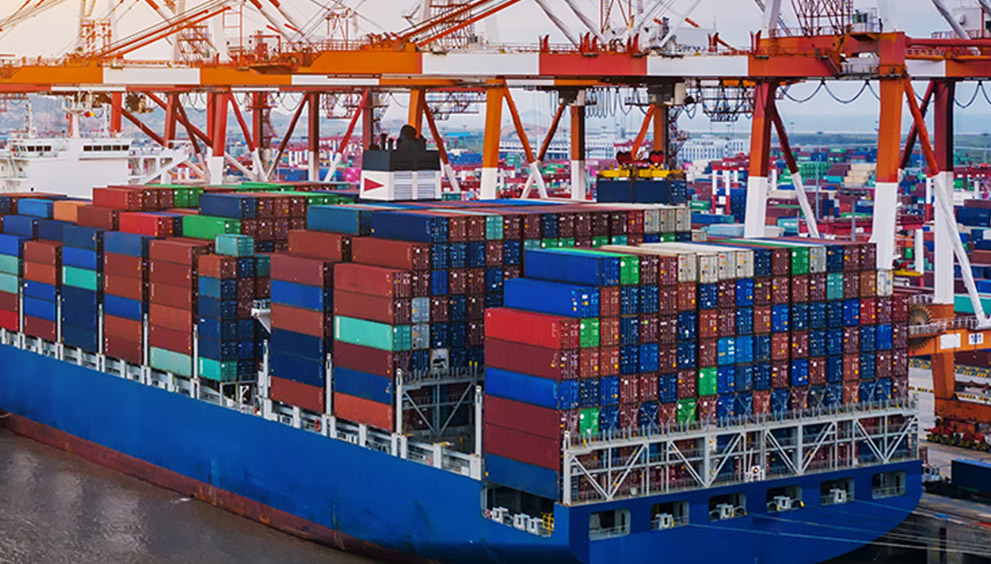
The global supply chain industry is expected to reach USD 37.41 billion by 2027, one of the most highly valued industries that typically serves as the backbone of other industries’ operations. The volatility of our current world, however, has made supply chain disruption very frequent. Whether trade regulations or climate change, various factors cause disruption and result in substantial revenue losses. According to Interos’ Annual Global Supply Chain Report 2022, organisations can lose an average of USD 182 million per year due to supply chain disruptions. It therefore becomes a necessity for long-term success to invest in resilient supply chains. And while lean operations are the aspiration of all organisations, small and medium enterprises (SMEs) face unique challenges in creating resilient supply chains.
SMEs are a major driver of economic growth and employment in the world. They account for 90 per cent of all businesses and more than 50 per cent of global employment, according to the World Bank reports, and are thus a key driver of national growth for countries.
Their relatively smaller operations, however, expose them to some risks that their larger counterparts may not face. They include rising operational costs, labour shortages, and changing consumer demand reflecting evolving shopping patterns and inflationary pressures. From the perspective of supply chain management, small businesses are less likely to invest in the latest technology that might reduce manual effort and allow data sharing. This typically results in fragmentation and silos in their supply chain, causing inefficiencies, higher costs, and longer lead times. This also means that there is most to be gained for SMEs by integrating supply chain resilience strategies into their businesses, particularly with the advent of technologies such as AI and Blockchain. These platforms provide rapid and inexpensive methods for risk analysis, demand forecasting, and logistics cost reduction, effectively levelling the playing field for various enterprises. Whether large conglomerates or SMEs, organisations throughout the range have realised the necessity of injecting flexibility and agility into their operations. Some strategies for building resilient supply chains are generic and consist of:
- Reshoring/nearshoring: As a result of rising geopolitical tensions, protectionism, and tariffs, manufacturing is being brought closer to home by numerous companies. Reshoring brings manufacturing back to the home country of the company, and nearshoring moves it to nearby regions. Both of these approaches reduce exposure to global uncertainties, shrink supply chains, and enhance control of operations.
- Inventory Management: Companies have long chosen a just-in-time (JIT) approach, which minimised inventory and thus holding costs. However, this approach puts companies at risk of even minor supply chain breakdowns. The better approach is the just-in-case (JIC) model, where companies build up key materials to have at least some cushion in case of disruptions.
- Diversification and Risk Evaluations: Overdependence on one geography or supplier exposes one to vulnerability. Companies can adequately mitigate potential risks and avoid complete breakdowns in the event that one source fails by sourcing from different producers and geographies. Regular risk evaluations also facilitate the identification of critical areas of risk and prepare accordingly.
- Supplier Management: Collaborative supplier relationships are essential to reducing supply chain risks and organisations must continually monitor supplier performance metrics (e.g. quality, delivery and capacity) to identify issues early and maintain a high level of service. This type of resilience can be achieved through the formation of long-term, stable partnerships with partners.
- Leveraging Technology: Advanced demand forecasting and predictive analytics form the heart of supply chain management today, and AI, IoT and blockchain advancements offer improved visibility, efficiency, and control. These technologies can also help in monitoring operational workflows in real-time and assessing supplier networks, thereby helping organisations take proactive actions.
SMEs are encouraged to implement secure information systems to build resilience within their networks. The majority of SMEs have financial constraints in relation to cybersecurity, and therefore, they must make compromises in the way they protect themselves. A viable solution is to simulate potential risks and disruptions to estimate their impact on SME resilience.
Research suggests that SMEs make limited use of modelling and simulation techniques, and there is a major lack of quantitative measures and assessment tools in the SME supply chain resilience model. Therefore, decision support systems and optimisation models can prove to be beneficial in helping SMEs optimise the utilisation of their scarce resources.
These strategies enable the delivery of uninterrupted customer satisfaction through increasingly flexible, agile, and resilient supply chains. Yet, as these enhancements take shape, the ability to monitor progress also becomes imperative. As companies invest increasing resources in supply chain management, they are also turning to robust metrics to quantify the success of their initiatives.
These measures generally include:
- Time to Survive (TTS), or the amount of time for which a supply chain can function after a disruption without experiencing significant operational or financial losses
- Time to Recover (TTR), a measure of how quickly a supply chain can rebound from a disruption. Lower TTR means that there are effective contingency plans and responsive logistics in place to allow companies to provide continuity of service to their customers
- Time to Thrive (TTT), which refers to the time a company takes to implement changes following a disruption that gives it a competitive edge and greater opportunities for growth.
Stress test models are the second significant method for identifying areas for improvement and quantifying resilience. These are simulation models that subject the supply chain to extreme or unexpected conditions, enabling companies to test their preparedness and resilience in the marketplace.
Companies worldwide are focusing on building resilient supply chains as they confront the realities of geopolitical uncertainty, climatic crises, and trade protectionism. For SMEs, there is an additional challenge due to resource limitations, as huge up-front costs are needed for new technologies, and automation can make their processes more labour-intensive and fragmented. However, the long-term benefits of building resilience far outweigh the short-term costs; only then will organisations, big and small, be able to navigate today’s turbulent business climate with ease. This requires fostering a culture of risk awareness and designing supply chains that are resilient.
About the Author
Dr Shereen Nassar
Global Director of Logistics Studies and Director of the MSc Logistics and Supply Chain Management Suite at Heriot-Watt University Dubai, UAE
Dr Shereen’s main research interest is sustainability and supply chain resilience. She has published numerous research papers and book chapters in areas such as automotive re-call risk and social sustainable supply chain performance, sustainable maritime logistics, supply chain information security, contemporary disruptive business applications of blockchain technology, smart cities and implementation challenges.
Dr Shereen has extensive international teaching
experience across UK and MENA region. She teaches both postgraduate and undergraduate levels. Her teaching proves the diverse expertise she has developed over a decade.
About the author

Dr Shereen Nassar
Global Director of Logistics Studies · Heriot-Watt University Dubai