
The 2026 Supply Chain Talent Outlook: Navigating AI, Geopolitics & the Human Factor in Singapore
By Dennis Wee
If you’re hiring for a Supply Chain or Logistics team in Singapore, do get ready. The rules for 2026 have changed.
It’s not business as usual. Starting from 1 January 2026, renewing an Employment Pass (EP) needs a minimum salary of S$5,600. For SPass renewals from 1 September 2026, it’s S$3,300.
Here’s what that means: bringing in talent from overseas is no longer just about cost. Any foreign professional you hire now must clearly be in the top tier of our local workforce.
So, what does this mean for you? Hiring managers will likely turn to the local talent pool and the pressure to find and retain local professionals will increase. The numbers confirm it. As reported by The Straits Times on 11 December 2025, while overall job vacancies have dropped and retrenchments have risen, the Ministry of Manpower (MOM) notes that “pockets of tightness persist” for key roles. This is the tricky picture for 2026: a more cautious hiring market overall but a fierce fight for the specific people who can drive your growth.
MOM’s own analysis shows that with lower labour mobility, firms are increasingly managing headcount through natural attrition. This tells us that making sure your team stays relevant is not optional anymore. Continuous upskilling is now a core business strategy to navigate this “talent squeeze.”
This is the new reality. In 2026, you cannot just fill a vacancy. You will need to make a strategic investment in a person who can handle more complexity from day one. The cost of a mis-hire or a prolonged vacant seat is higher than ever.
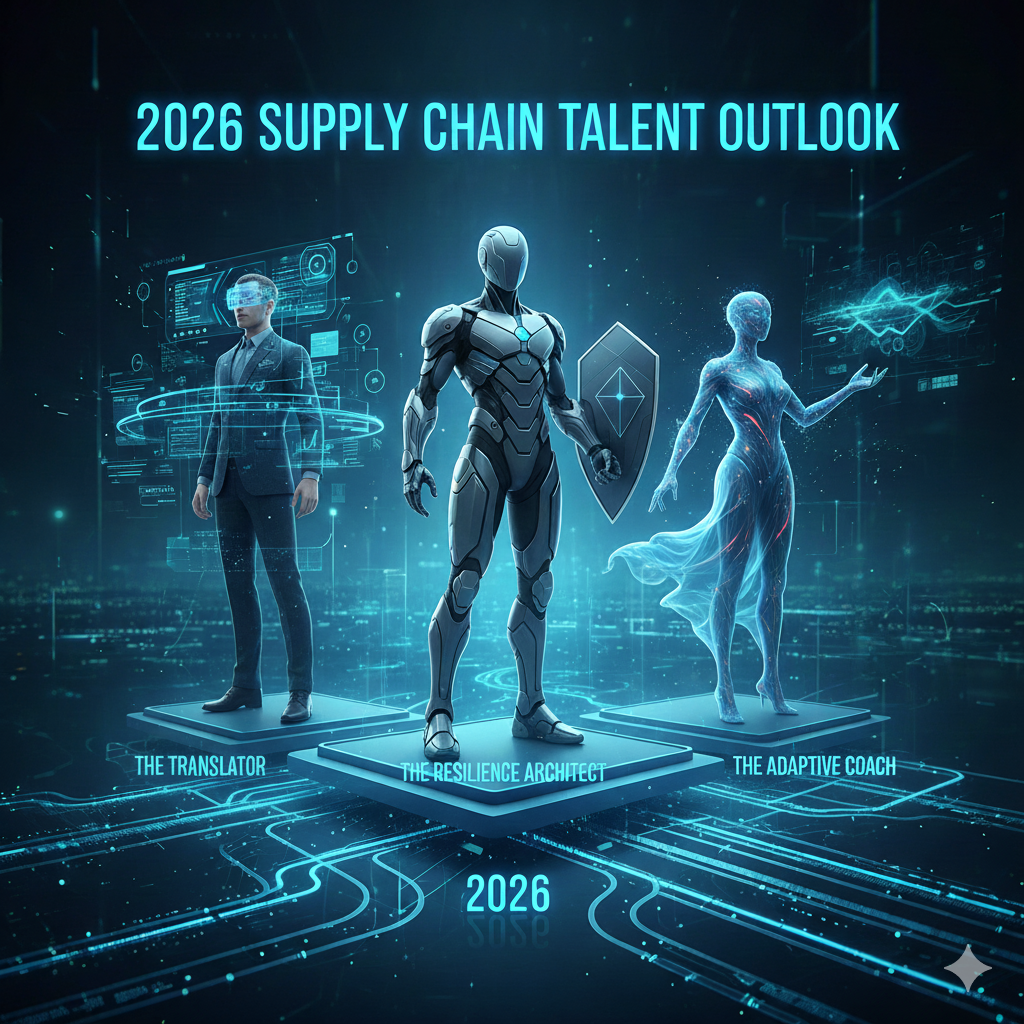
For supply chain leaders, this comes down to securing three new types of talent. Let’s break them down.
The AI Translator – Your Bridge Between Tech & Your Team
The Shift: AI is doing more than running warehouse robots. Now it’s software that predicts delays, finds optimal routes and handles complex procurement. The technology is here. The real problem? Getting your team to actually use it.
The Reality Check: There’s a disconnect. Your operations manager might not trust the agents suggestions or your planners might see the data but have no idea how to act on it. This gap is where expensive projects fail.
The Profile – The Translator: This person closes that gap. They are not just a tech person or a logistics person—they’re both. Their real job is translation: turning complex data into simple steps for your team and explaining your team’s real-world problems to your technology vendors. They make sure your big software investment pays off.
Why They’re Hard to Find: This hybrid skill set is rare and valuable. They make technology work. Finding and justifying this hire means you need a proactive, targeted search. These individuals are hardly active on job portals.
The Resilience Architect – Your Insurance Against Global Shocks
The Shift: Geopolitical tensions and trade disputes have made supply chain disruption a normal part of business. Relying on one supplier in one region is now a major risk.
The Reality Check: When a key supplier’s country faces new sanctions, you do not have months to find a replacement. You need a backup plan that is ready immediately.
The Profile – The Resilience Architect: This person thinks in “what if” scenarios. They build and maintain a network of trusted suppliers across different regions. They don’t just measure the price of a part. They calculate the true cost of a production line shutting down. Their value isn’t in saving 2%. It is about guaranteeing you never lose 100% of a critical supply.
Why They’re Hard to Find: This role turns procurement from a back-office function into a core part of your business strategy. It requires a strategic, diplomatic mind with sharp commercial skills. People who can manage this level of risk are always in high demand.
The Adaptive Coach – The Leader Who Holds Your Team Together
The Shift: Constant change—new tech and new risks are exhausting. Team burnout is a real threat to getting anything done.
The Reality Check: You can have the best tools and plans but if your team is stressed, disengaged or afraid of change, nothing works. Old school, command and control leadership makes this worse.
The Profile – The Adaptive Coach: This leader’s main tool is conversation. They are great at explaining the “why” behind every change. They build a team where people feel safe to suggest ideas. They spot burnout early and know how to re-energise their people. They are judged on their team’s morale and agility, not just their output.
Why They’re Hard to Find: In a world focused on hard skills, this ability to connect and inspire is the ultimate advantage. This is what makes top local talent want to stay and grow with your company. That’s more important now than ever.
Your 2026 Action Plan
The outlook is clear. The rules are stricter, competition is fiercer and every hire matters more.
The people you need—the Translator, the Architect, the Coach are usually not actively looking for jobs. They are already successful where they are.
This means your current hiring playbook will not work. Here’s what to do:
1. Look Inside First. Check your current team. Who could grow into these roles with the right training? Upskilling your local talent is your best bet. Use SkillsFuture wherever possible to leverage readily available resources.
2. Stop Posting, Start Prospecting. For the skills you cannot build inside, forget the job portals. You need to prospect. That means confidentially finding the right people and talking to them about the future you are building. This is normally a silent search.
3. Change the Conversation. With higher salary floors, do not ask “Can we afford them?” Ask “What is the cost of not having them?” Frame the role around the strategic value they bring. Managing a huge risk, making new tech work, keeping your best people. That is the real investment.
In 2026, winning will not be about who has the best software. It will be about who has the right people—the ones who can use the tech, navigate the risks and lead the team through it all.
Your work to find them starts today.
About the Author
About the author

Dennis Wee
Founder · Harold Consultancy