
For much of the past decade, supply chain resilience was approached as a discrete initiative triggered by crisis, delivered through contingency planning, and then deprioritised once conditions appeared to stabilise. That model reflected a world in which disruption was less regular.
Today’s operating environment no longer supports that assumption. Across Asia-Pacific and global trade networks, disruption is persistent, overlapping, and constant. Trade policy volatility, climate-related events, cyber exposure, labour constraints, and infrastructure pressure now occur with enough frequency that resilience can no longer be managed periodically; it must be managed consistently.
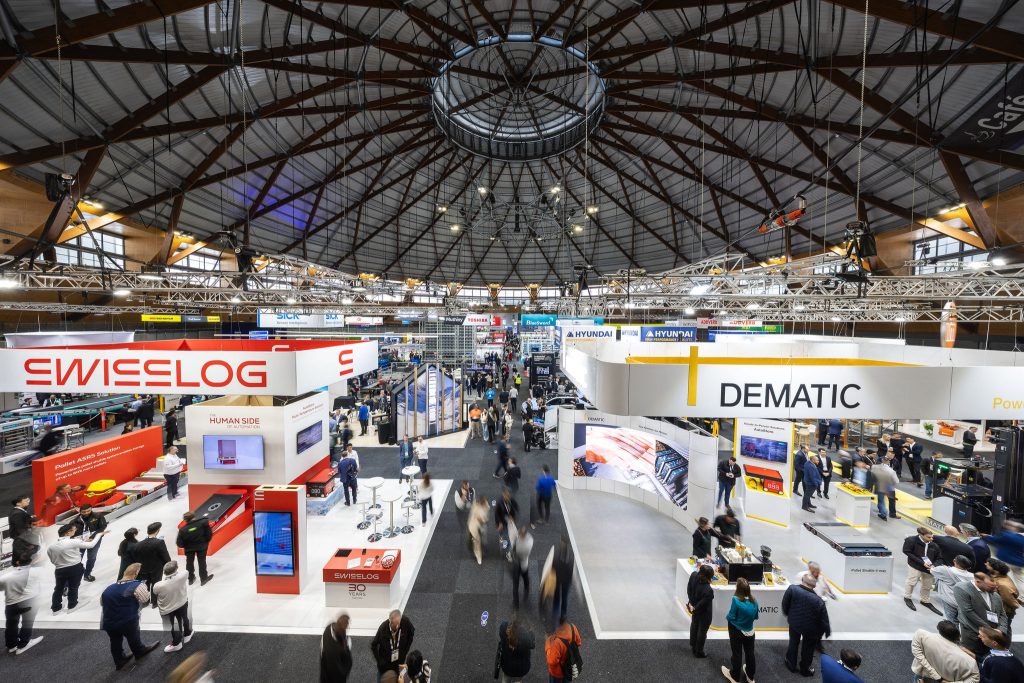
This shift is reshaping how organisations design supply chains and why industry platforms such as the Hannover Messe’s CeMAT group of events have expanded across Southeast Asia, Australia, and New Zealand: to support the translation of resilience strategies into operational execution.
From Crisis Response to Operational Discipline
While most supply chain leaders understand the risk of disruption, far fewer are set up to respond effectively. Although 88% agree that scenario planning improves decision-making, only 19% have made it a core part of how their supply chains are managed [1].
This gap highlights a critical distinction: recognising disruption is not the same as managing it.
While awareness of supply chain risk remains high, consistency in how that risk is managed has declined. In 2023, nearly half of organisations tracked supply chain risk regularly. By 2024, only around one-quarter were doing so, showing a clear drop in discipline [2]. At the same time, disruption has become increasingly frequent. A global resilience study found that 75.1% of organisations activated their crisis management teams within the previous 12 months [3]. Taken together, these findings show that disruption is no longer an occasional event, but a normal operating condition and one that requires ongoing, structured management rather than ad hoc responses.
Yet in practice, resilience efforts often fall short because they are treated as standalone projects rather than capabilities that must function every day inside real operations. In many organisations, the early warning signs of disruption already exist, but they are dispersed across suppliers, transport providers, warehouse systems and internal teams. As a result, problems are often detected late, leaving fewer options and higher resolution costs.
Scenario planning often fails when it ignores real operational limits such as labour, space, and system capacity, resulting in plans that work on paper but not in practice. At the same time, many logistics and warehouse networks are designed for stable conditions, making them vulnerable when volumes shift or disruptions occur [5].
It is within this context that platforms such as CeMAT Southeast Asia have taken on a more strategic role, through curated exhibitions where resilience concepts are tested against operational reality.
Reframing Resilience as a Management System
To manage disruption effectively, organisations are adopting a systems-based view of resilience. Rather than treating it as a linear workflow, resilience should be managed as a continuous loop repeating the sequence of steps:
Sense → Simulate → Decide → Execute
Taking each step into consideration, it is clear that resilience cannot be delivered through isolated initiatives.
Sense: Early Warning as an Operational Capability
Early warning is not only about external risks. Many of the first signs of trouble appear inside operations, such as missed scans, rising exceptions, delayed put-away, congestion on the floor, or gaps in labour coverage. Organisations that capture and review these signals regularly are far better positioned to respond quickly and with more options.
Research from the World Economic Forum shows that organisations with strong end-to-end visibility are significantly more likely to contain disruption before it escalates into major service or financial impact [6]. This emphasis on visibility is reflected across CeMAT events, where data capture, warehouse management systems, execution software, and system integration are widely recognised as core foundations of resilience.
This emphasis recognises that in interconnected markets, disruption rarely stays local; delays, system outages, or labour constraints in one node can quickly affect others. By focusing on integration, execution software, and scalable automation, CeMAT Southeast Asia supports organisations seeking to manage complexity and maintain performance across regional supply chains.
Simulate: Scenario Planning Based on Real Conditions
Scenario planning only adds value when it reflects how operations work. Leading organisations test realistic disruptions against live systems, rather than relying on high-level models.
Typical questions include:
- What happens if inbound lead times extend by two weeks?
- Where does throughput break first if labour availability drops?
- How does service change when volumes rise or fall sharply?
Research from INSEAD shows that scenario planning is most effective when scenarios are grounded in real operational constraints, reviewed regularly, and tied to clear decision points [4].
Decide: Governance That Allows Fast Decisions
Disruption quickly exposes weak decision-making structures. When it is unclear who owns decisions, responses slow and actions become fragmented across teams. High-performing organisations address this by putting clear playbooks in place before disruption occurs. These define trigger points, decision ownership, and acceptable trade-offs between cost, service, and risk.
This governance layer is what turns scenario planning into action in real time. It also shapes how organisations assess solutions, with greater emphasis on deploying ability, reliability, and ease of integration. These priorities are consistently reflected across the CeMAT group, where solutions are evaluated against real operating constraints rather than idealised scenarios.
Execute: Operational Flexibility Under Pressure
Execution then becomes a question of speed and flexibility. Inside warehouses and distribution centres, this typically means adjusting inventory placement to protect service, reallocating labour as conditions change, and modifying picking strategies to manage congestion while maintaining safety and throughput.
Research into supply chain resilience consistently shows that operational flexibility and system integration are key determinants of performance under disruption [5][6].
Exploring Operational Solutions Across the CeMAT Network
CeMAT Southeast Asia
12–14 May 2026 | Singapore EXPO, Singapore
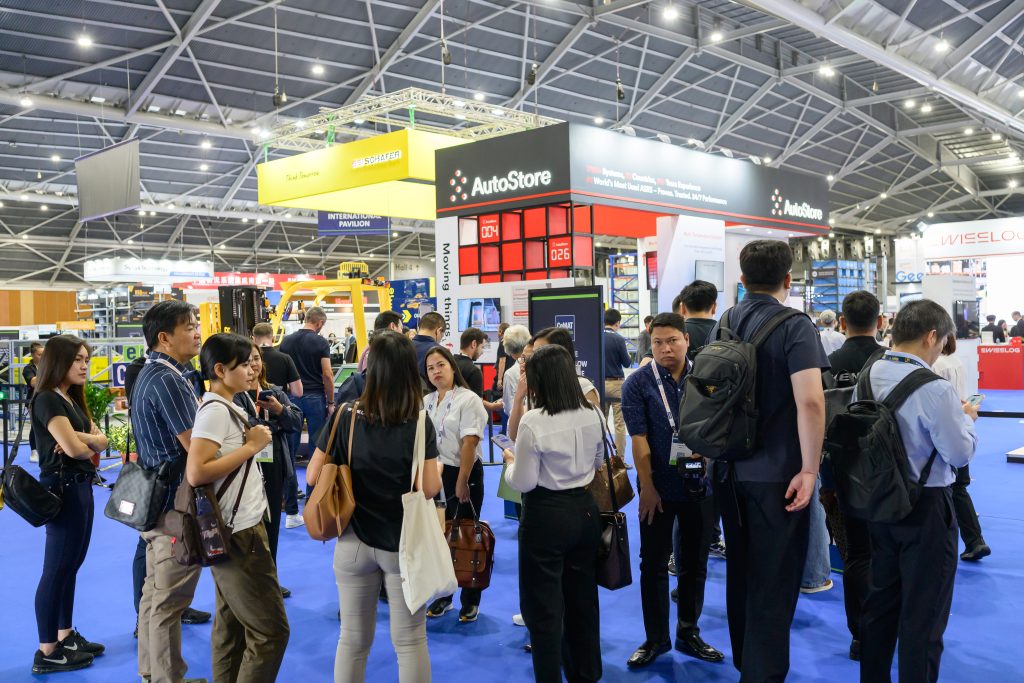
CeMAT Southeast Asia reflects the complexity of operating across highly connected, cross-border supply chains. In a region where goods move through multiple jurisdictions, ports, airports, and distribution hubs, resilience depends heavily on visibility, coordination, and integration across partners. The event brings together warehouse systems, automation, robotics, and supply chain technologies that strengthen data integration and operational alignment across networks. Co-located with the exhibition is CargoNOW Singapore, which focuses specifically on cargo, freight, and infrastructure-linked supply chain operations, extending the resilience discussion beyond the warehouse into multimodal transport and logistics ecosystems.
CeMAT Australia
23–25 June 2026 | Melbourne Convention and Exhibition Centre, Australia
CeMAT Australia addresses resilience through the lens of operational performance in a mature but geographically expansive market. With long transport distances, ongoing labour pressures, and strong scrutiny on safety and return on investment, Australian supply chains require systems that deliver consistent execution under fluctuating conditions. The event highlights automation, materials handling solutions, warehouse execution systems, and intralogistics design that improve labour flexibility and throughput stability. In this context, resilience is closely linked to the ability to maintain service levels when labour availability shifts or volumes fluctuate. CeMAT Australia therefore centres on practical, deployable solutions that strengthen on-floor performance while reducing operational fragility.
Logistics Automation New Zealand
10–11 November 2026 | Auckland Showgrounds, New Zealand
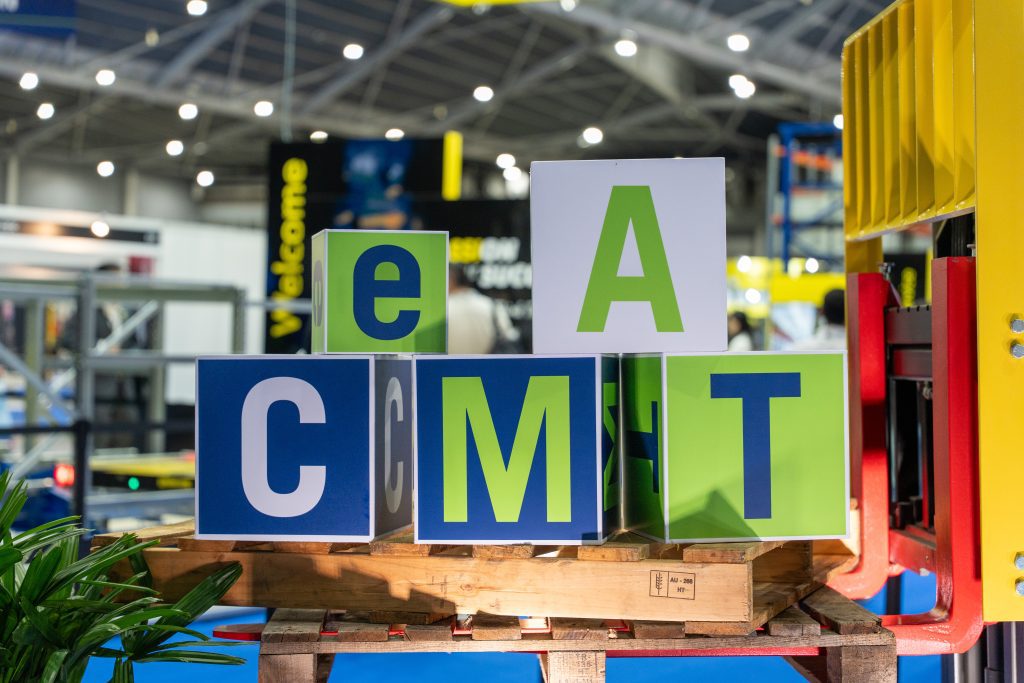
Logistics Automation New Zealand reflects the realities of a smaller market where scale, labour availability, and capital allocation must be carefully balanced. In such an environment, flexibility is less about large-scale transformation and more about incremental, adaptable improvement. The event showcases modular automation, robotics, and materials handling solutions that can be introduced progressively and integrated without major operational disruption. This approach supports organisations seeking to increase productivity and flexibility while managing investment risk. By focusing on scalable technologies suited to right-sized operations, the event reinforces resilience through practical capability building rather than extensive system overhauls.
Indonesia Supply Chain
25–27 November 2026 | Nusantara International Convention & Exhibition (NICE), Jakarta, Indonesia
Indonesia Supply Chain responds to the challenges of operating within one of Asia’s fastest growing and most diverse logistics environments. Rapid industrial expansion, varied infrastructure maturity, and complex domestic distribution networks require greater coordination and digital oversight to maintain reliability. The event brings together freight, warehousing, automation, and digital supply chain solutions that support visibility, multimodal integration, and operational control at scale. In this setting, resilience is closely linked to the ability to standardise governance while adapting execution across different regions and infrastructure conditions. By addressing these challenges directly, Indonesia Supply Chain contributes to strengthening supply chain stability within a rapidly developing market.
CeMAT Southeast Asia, the next event in the network, will be held in Singapore in May 2026. Further details are available at cematseasia.com.
References
Gartner (2024). Survey of 506 Supply Chain Leaders on Scenario Planning Integration.
McKinsey & Company (2024). Global Supply Chain Risk Survey: Risk Governance Cadence.
Business Continuity Institute (2024). The World of Resilience Report.
Ivanov, D., & Dolgui, A. (2021). Research on disruption propagation and scenario-based supply chain planning.
Gunasekaran, A., et al. (2015). Studies on supply chain complexity and resilience.
Rahman, M., et al. (2022). Systematic review of supply chain resilience strategies. Production and Operations Management.
About the author

James Redshaw
Senior Exhibition Manager · CeMAT South East Asia and CeMAT Australia