

Selecting a Supply Chain Technology Provider is Harder than it Seems
Feature Article by Mark Yong, Managing Director, APAC & EMEA at Blume Global
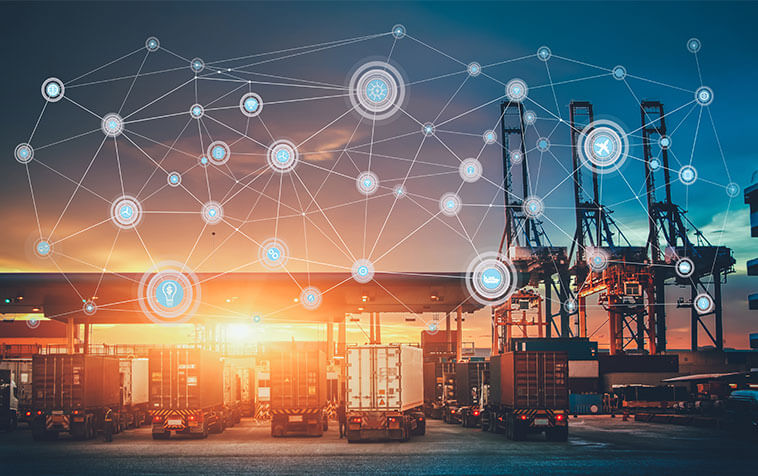
The logistics industry globally is more competitive, volatile, uncertain and interconnected than ever. In India, the Central Government’s focus on improving all aspects of the supply chain means that all supply chain users must start thinking carefully about how to create a streamlined and agile supply chain to keep up with the changing global environment.
Having the right transportation technology can improve everything from route efficiency to supply chain sustainability. Not all digital solutions are created equal and picking the right one for your business can be tricky if you do not know what you need or how to separate promises and vision from actual results.
This article will look at five things a firm might want to consider when choosing a supply chain technology provider:
Your current resources and capabilities
The first thing you will want to do is audit your entire existing supply chain processes. Think about your company, your sector and the level of supply chain digitization you already have in place. Many businesses still function by using Excel spreadsheets and other manual methods, but these “if it isn’t broken, don’t fix it” ways of doing business are vanishing. The ongoing congestion at ports globally and the uptick in consumer demand seen during the pandemic are forcing the digital discussion at companies who have held on to old methods.
The supply chain technology provider’s record
You will want to consider your potential transportation technology provider’s track record. Choose a technology provider with a well-established network of partners and providers, as well as a proven track record working with those in your niche of the supply chain. After all, a technological solution from an unstable company with limited connections or a poor reputation will not be equipped to help your business thrive.
It might be tempting to embrace new entrants into the market, it is smart to find a company that has a long history in the supply chain and can use its wealth of experience, and historic data points, to provide better service. A commitment to innovation, which can be measured by the percentage of research and development undertaken or provided to employees at the company, is crucial. Also, you could ask about the digitization plans of the company to get a sense on how much they spend on developing their products capabilities and functionality.
Your technology partner must have a plan for digitizing all stakeholders in the supply chain, no matter how small. it is critical that your provider have a plan for bringing digital innovations to your partners and allowing you to collaborate and connect on a global network.
What your operation needs from a technology provider
Implementing the use of a digital platform that is enhanced by artificial intelligence and machine learning can save you time and money both now and in the future. Advanced algorithms and automatically generated customized reports can equip you with the ability to predict and automate parts of your supply chain. This will give you a more agility, maximize profits and allow you to remain competitive.
The system you choose should also offer business data analytics capabilities that enable you to observe trends, avoid bottlenecks, have a better understanding of your costs, and optimize your routes and driver schedules. AI-driven platforms can even analyze your data to identify
Real-time, centralized tracking and visibility
Having centralized, real-time information and end-to-end visibility should be a top priority when picking a transportation technology provider. Tracking your shipment’s status via GPS or Internet of Things (IoT) devices and viewing route duration data throughout the entire shipping process in real-time will allow you to quickly make informed business decisions to optimize productivity and streamline your supply chain. For example, having access to transportation lead times, ETAs and location data will enable you to reroute your shipment if there’s a delay.
Some technologies even forecast potential delays by collecting data on carriers farther along your route. They can then suggest faster alternative carriers, modes of transportation, or routes so you can keep up with customer demand and avoid shipment penalties. The pandemic emphasized the need of this feature in a technology provider since backlogs and bottlenecks challenged manual processes and limited the ability to secure additional capacity and adapt to changes.
True end-to-end visibility gives supply chain participants a better view of the global picture, including providing transparency into the first- and last-mile steps in the process. Shippers should make sure they can choose the right route and mode while weighing cost versus speed implications, gain a comprehensive view of each shipment and any disruptions that arise, and correct shipments in danger of being late with speed and accuracy.
Shippers that lack a reliable supply chain technology platform are navigating this turbulent world blind. Collaborating with the right supply chain technology provider gives stakeholders a crystal-clear picture of the logistics ecosystem.
Data security is crucial
Having all that data available at your fingertips and in the cloud also means you’ll want a technology provider that prioritizes information security. Your data will include customer names, item quantities, and other sensitive information, so having enhanced security is important.
Shippers around the world work with logistics technology providers to digitize manual processes and streamline their transportation business. This streamlining ensures global supply chains function at a high level but also helps to eliminate waste. Partnering with a transportation technology provider geared toward eliminating this waste will pay dividends for years to come and help prepare your business for years of uncertainty.
About the author

Mark Yong
Managing Director, Asia Pacific and EMEA · Blume Global