
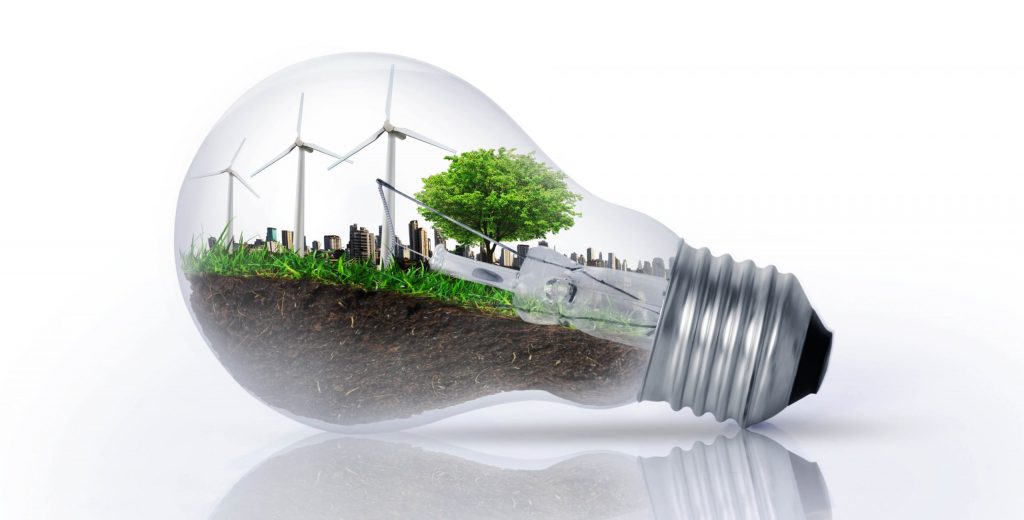
Commentators and pundits often refer to this as the Asian Century. In terms of GDP and growth, no one can dispute that. However, there is one area that Asia could do better to show true global leadership: sustainable growth that respects the environment.
As the region continues its rise and enriches its citizens, much more must be done to combat climate change and preserve its rich biodiversity.
While China stands out as the largest producer of clean energy in the world, it is also the largest polluter in terms of green house gas emission.
Asia Pacific is often looked upon as a slow mover for de-carbonization — the one that only follows what is “required” by the West. Given the dynamism of the people and the easy access to materials needed to create a clean power economy, this label is tragic and unfortunate.
But the truth is, actions to financially penalize carbon-belching companies are rare in this part of the world. In some cases, the counter-intuitive doubling down of investment, for example in coal-fired plants, is even encouraged and supported. With what is perhaps a fear for change ingrained in many businesses’ and policy makers’ minds, maybe the label of follower is deserved?
It’s no different in the logistics industry. But, as forward-looking professionals, we and our organizations should take it upon ourselves to deliver solutions that are ecologically sound. We can create initiatives on our own or, at the very least, propose ideas that do the least damage to our natural environment. If we take the lead in eco-stewardship, perhaps companies in the West will follow Asia Pacific for a change.
As an independent consultant that specializes in e-commerce and sustainable solutions, I get to work with companies that are looking to reduce their green house gases. This is providing an opportunity for logistics managers to re-imagine how they move customers’ orders. It gets them thinking in a new direction and I can see the wheels really turning in their heads!
For logistics managers, packaging is likely the closest area of influence they have to move the sustainability needle. Can products take less space? Can packaging have less weight? Can pallets be built higher? Can pallets weigh less? Can the warehouse facility actually produce clean energy? Can the warehouse be skipped altogether!?
When moving cargo, can shipments be consolidated more? Can partnerships be formed among companies and technology be used to move shipments from different partners in the same vicinity to reduce light loads and keep vehicle utilization as high as possible? Is there a plan to electrify the company fleet or a demand for the transport vendors to reduce their emissions?
About the author

Timothy Foote
Director Transportation & Network APAC · Founder · Asendia · Susymbio