

By Dr. Andrew Brown,
BPharm, GCHE, Medicines and Vaccines Access Accelerator Advisor, Australia (GaneshAID abrown@ganeshaid.com)
By Dorothy Leab,
Senior Health System Strengthening Expert
Founder and CEO, GaneshAID
1. Background
Medicine access in LMICs
is poor.
WHO states that more than one-third of the world’s population lacks access to quality essential medicines for basic health conditions, with low- and middle-income countries (LMICs) disproportionately affected. Access to medicines in LMICs remains limited due to several factors, including overly restrictive policies, insufficient funding, and lack of professional training. Despite comprising over 80% of the global population, LMICs receive a small fraction of treatments necessary to meet universal health coverage goals, exacerbating health disparities. In addition, the quality of medicines in LMICs is often compromised due to inconsistent enforcement of regulatory standards and supply chain issues. The majority of medicines in LMICs are purchased and distributed through government-run health supply chains, although the role of the private sector in health service delivery and medicine supply is increasing. Health supply chain leaders in LMICs face increasing pressure to navigate this complexity with minimal support. With resilient leadership often undervalued in public health systems, GaneshAID¹ is assisting countries to focus on innovation as a core competence of health supply chain leaders, putting them in the driver’s seat to lead sustainable local health supply chain improvements.
In 2024–2025, with support from UNICEF and Gavi, GaneshAID led STEP 2.0 deployments in Cambodia, Djibouti, and Pakistan, co-creating the program with national institutions to respond to local immunisation priorities and leadership gaps and with a relevance to local culture. This article shares practical lessons from these deployments, where leadership, advocacy, and change management have become critical tools for transforming immunisation supply chains.
Reimagining Leadership in Health Supply Chains
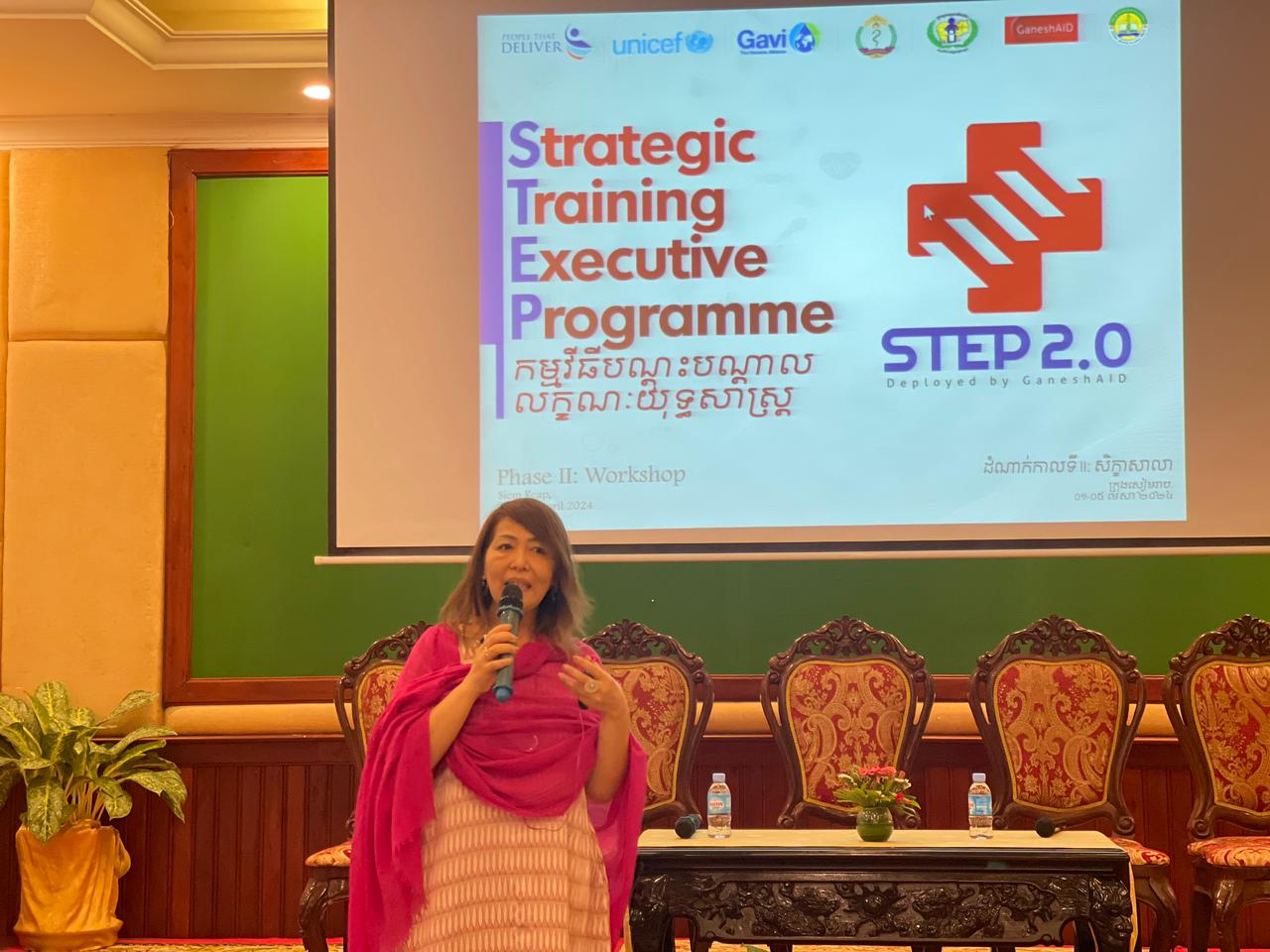
In the context of LMICs, supply chain leadership is not only about systems, SOPs, or inventory control—it is fundamentally about people driving transformation. Leadership here means navigating chronic constraints, aligning partners with competing agendas, and making bold decisions that put equity first. Effective leaders do not wait for perfect conditions; they mobilise others, influence policy, and adapt to daily realities, all while staying grounded in the communities they serve. Leadership is a capacity that can be nurtured and should not be assumed, with the People that Deliver (PtD) Strategic Training Executive Program² (STEP 2.0) designed to develop this kind of leadership: resilient, pragmatic, and committed to health for all.
STEP 2.0: Strengthening Local Leadership for Health Supply Chain Transformation
STEP 2.0 is a tailored professional development journey designed to equip supply chain leaders and managers in LMICs with the tools to lead meaningful change. Blending online learning, immersive in-person workshops, and applied workplace projects, the program builds critical competencies in leadership, advocacy, and change management.
A distinctive feature of STEP 2.0 is its pairing of public sector professionals with private sector coaches, seasoned supply chain experts who mentor participant teams throughout their transformation challenges.
2. Case Studies: Building Local Leadership in Cambodia, Djibouti, and Pakistan
Cambodia—Localising Leadership in the Khmer Context
Faced with declining vaccine coverage, logistical challenges, and inequities in access, Cambodia’s immunisation program required more than system upgrades; it needed empowered human leadership. In collaboration with the Ministry of Health and with the support of Gavi and Unicef, GaneshAID deployed STEP 2.0 fully in Khmer, ensuring cultural and linguistic relevance.
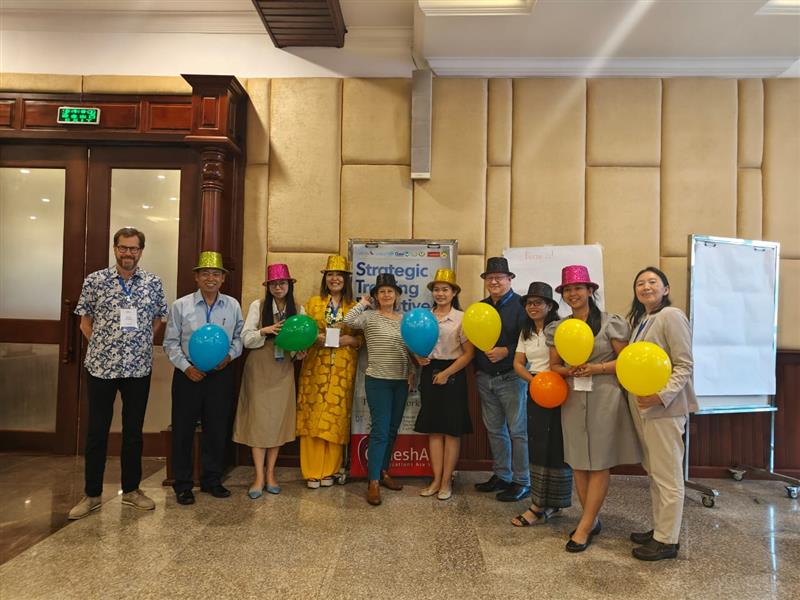
A cohort of 24 national and subnational Extended Program on Immunisation (EPI) professionals worked with six private sector coaches. Their transformation projects addressed gaps in strategic planning, data use, and workforce coordination. By the program’s conclusion, 95% of participants had completed all phases, with measurable gains in leadership confidence and clarity of action.
“The knowledge from this program can support enhancing the management of the supply chain by increasing knowledge of team communication and being able to support each other.” – Cambodian national immunisation program manager
The program’s success has prompted discussions on expanding the model to other public health domains.
Djibouti – Catalysing a New Generation of Procurement Supply Chain Management (PSCM) Champions
Djibouti, with its strategic geographic position in the Horn of Africa, has a small yet complex health system and presents unique supply chain challenges, from workforce gaps to data fragmentation. In early 2025, GaneshAID rolled out STEP 2.0 in French and Arabic in collaboration with national authorities and UNICEF.
The cohort, composed of professionals from central medical stores and key regional health directorates, focused on building leadership mindsets and rethinking accountability structures in the public health supply chain. Participants tackled topics such as stock accuracy, end-to-end visibility, and performance-based delivery models.
The coaching approach, linking Djiboutian managers with French-speaking logistics experts, sparked strong cross-sector collaboration and is now being explored for integration into long-term institutional training pathways.
Pakistan—Leading System Reform from Within
In Pakistan, immunisation supply chains face chronic pressure, from cold chain bottlenecks to data integrity issues. STEP 2.0 was launched in 2024 in partnership with the Federal Directorate of Immunisation and provincial EPI programs.
Nineteen mid- and senior-level professionals from across the country joined the cohort, each tasked with a live transformation challenge. From improving cold chain uptime in Sindh to last-mile accountability in Balochistan, teams applied what they learnt in real time, supported by seasoned coaches.
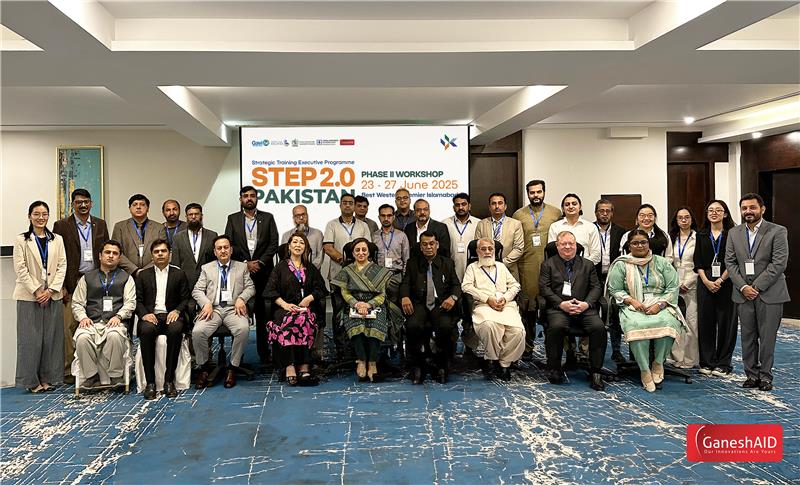
“The open and supportive environment helped me refocus my transformation challenge toward a goal that feels both achievable and impactful.” Provincial EPI officer, Punjab
As of mid-2025, all 19 transformation projects are advancing, with a national learning exchange planned to scale insights across provinces. These include strengthening cold chain systems by reactivating non-functional equipment and ensuring preventive maintenance; enhancing digital data visibility through the use or reactivation of systems like VLMIS; improving forecasting accuracy using updated demographic data; building workforce capacity by training and engaging supply chain staff; increasing stock management efficiency through better coordination and timely reporting; and advancing leadership and governance by promoting structured reviews, dashboard use, and policy implementation.
3. Conclusion
With more than one-third of the world’s population lacking access to quality essential medicines for basic health conditions, there is an immediate urgency to think differently, mobilise local supply chain leadership talent, equip them to be agents of change to modernise health supply chain systems, and innovate to lead transformational change. We need to address this leadership void in health supply chains, where dedicated professionals are too often undertrained, under-supported, and lack the knowledge and skills required to lead. GaneshAID’s application of STEP 2.0 is addressing this gap, not with more tools, but by investing in people. From Cambodia to Djibouti to Pakistan, the program has equipped local leaders to drive change from within, applying bold thinking and practical action to longstanding challenges, resulting in health supply chain improvements.
Leadership is the cornerstone of resilient health systems. As a global supply chain community, we must ask ourselves, what more can we do to invest in those at the heart of transformation, those delivering vaccines, medicines, and hope to the communities who need them most?
[1] GaneshAID is a women-led humanist global health innovation consultancy dedicated to modernising health systems by utilising health and technological innovations, with a particular focus on vulnerable populations. GaneshAID works in the areas of digital health, pro-equity interventions, co-creation and collaborative intelligence, and capacity building, operating through regional hubs in Africa (Benin) and Asia (Vietnam). We address pressing challenges in immunisation equity, digital health, knowledge transfer, and performance improvement, bridging the gap between innovation and real-world impact by co-creating with national and local stakeholders.
About the authors

Dr Andrew Brown
Medicines and Vaccines Access Accelerator Advisor · GaneshAID

Dorothy Leab
Founder and Chief Executive Officer · GaneshAID